
Unexpected Things to Do in Aberdeen

Aberdeen has a reputation problem. People fly in for the oil industry, pass through on the way to the Highlands, or skip it entirely in favour of Edinburgh or Glasgow. That is a mistake, and it is one that takes about twenty minutes in the city to realise. What Aberdeen actually offers is a dramatic granite skyline unlike anything else in the UK, a coastline that genuinely surprises, castle country of extraordinary density on its doorstep, a food and drink scene that has been quietly maturing for years, and a pace that suits those who want a city break with real character rather than one that has been polished for tourism.
The unexpected is the point. Aberdeen rewards the visitor who gives it time and attention rather than treating it as a stopover.
Malmaison Aberdeen sits at the heart of the city and matches its character well: design-led, central, and a destination in its own right. The following covers unexpected culture and architecture, outdoor Aberdeen, castle country, food and drink, reasons to slow down, and practical planning tips for making the most of a stay.
Culture and history beyond the obvious
The assumption that Aberdeen is purely industrial does not survive contact with the city. Its architectural character alone sets it apart from anywhere else in the UK, and its cultural and museum offering is considerably stronger than most visitors expect.
The granite city's architectural character
Aberdeen's nickname is entirely earned. The local silver-grey granite gives the city a visual identity that is simultaneously austere and dramatic, cohesive in a way that few UK city centres manage and genuinely striking on a day when the light catches it well. It is a city that rewards paying attention to the buildings rather than looking through them.
Union Street is the place to start: a mile of granite frontages running through the heart of the city centre, with the kind of Victorian civic confidence that tends to be better preserved here than in cities that have been more extensively redeveloped. It is worth walking slowly.
Marischal College is the standout. The second-largest granite structure in the world, it rises dramatically in the middle of the city centre: a gothic granite frontage that stops most people in their tracks.. It now serves as Aberdeen City Council's offices, but the exterior is free to view and is one of the most striking pieces of architecture in Scotland. Most people who see it are not expecting it.
Aberdeen Maritime Museum and the city's industrial story
The Aberdeen Maritime Museum on the harbourfront tells the story of the city's relationship with the sea across several centuries: fishing, shipbuilding, and the North Sea oil industry that transformed Aberdeen from the 1970s onwards into one of Europe's wealthiest cities. That oil dimension is something visitors rarely anticipate, and the museum handles it well, placing the industry in a broader context of a city that has always oriented itself towards the sea.
Aberdeen Art Gallery is the other essential cultural stop. Recently reopened after a major renovation, it houses a genuinely impressive collection in a beautifully restored building, with strength in Scottish art, portraiture, and applied arts. Entry is free, and the building itself, with its central court and recently restored dome, is worth the visit independently of the collection.
Aberdeen's outdoor side
Aberdeen's outdoor offer is one of the most consistent surprises for first-time visitors. The coastline, the parks, and the green spaces within easy reach of the city centre collectively give the city a natural dimension that its industrial reputation does nothing to prepare you for.
The beach and the coastline
Aberdeen Beach is one of the city's best-kept secrets and one of its most easily overlooked assets. A long, sandy stretch sitting directly on the edge of the city, with views stretching north up the Aberdeenshire coast, it is the kind of urban beach that most UK cities would market heavily. Aberdeen tends to let visitors find it themselves. In summer it is popular with swimmers, and the beachfront has seen significant investment in recent years. The coastal path north from the beach towards the Bridge of Don rewards a longer walk, with dramatic clifftop views and remarkably few people for what is effectively a city beach.
Duthie Park and the Winter Gardens
Duthie Park sits on the south bank of the Dee and is considerably more impressive than its low profile suggests. A Victorian park with rose gardens, open lawns, and a strong sense of civic pride, it houses the David Welch Winter Gardens: one of Europe's largest indoor gardens, free to enter, and entirely incongruous with Aberdeen's industrial reputation in the best possible way. Tropical plants, a cactus house, and a series of themed environments occupy a vast glasshouse complex that takes most visitors completely by surprise.
Hazlehead Park, on the western edge of the city, offers a more expansive and less well-known alternative: woodland walks, a maze, and genuine quiet within easy reach of the centre. Between the two, Aberdeen offers considerably more green space than most visitors arrive expecting.
Castle country: Aberdeen's best day out
Aberdeenshire has a higher concentration of castles than almost anywhere else in Scotland. Aberdeen is the natural base for exploring them, and a day out into castle country is one of the most compelling arguments for choosing the city for a short break.
Castles within easy reach
Dunnottar Castle is the standout. A dramatically ruined fortress perched on a sea stack above the North Sea, around 45 minutes south of Aberdeen near Stonehaven, it is one of Scotland's most photogenic locations and one that rewards the journey regardless of the weather. The approach on foot from the car park, with the castle gradually coming into view over the cliff edge, is one of those arrivals that stays with you.
Crathes Castle and Craigievar Castle are two contrasting National Trust for Scotland properties within an hour of the city. Crathes is known for its walled gardens and painted ceilings; Craigievar, with its pink-harled fairy-tale tower rising from the Aberdeenshire countryside, is one of the most arresting buildings in Scotland. Malmaison Aberdeen's own guide to castles near Aberdeen covers the options in more detail for those wanting to plan a full day out.
Royal Deeside and Balmoral
The road west from Aberdeen along the valley of the Dee leads into Royal Deeside: a stretch of river corridor that ranks among Scotland's most beautiful, with Balmoral Castle, the village of Braemar, and the edge of the Cairngorms National Park all accessible on a longer day out. Balmoral is open to visitors in spring and early summer when the Royal Family is not in residence, and the wider valley offers a quality of scenery that genuinely surprises visitors who arrived expecting an industrial city and found themselves in one of Scotland's most serene landscapes instead.
Food, drink, and a scene worth knowing
Aberdeen's food and drink scene is better than its reputation suggests, and noticeably better than it was a decade ago. The city's proximity to exceptional produce, its position between Speyside and the Highlands, and a growing independent restaurant culture have combined to create something worth seeking out.
Aberdeen's food and drink scene
The harbour area and the surrounding streets are where much of the city's best independent food and drink is concentrated. Less polished than Edinburgh or Glasgow, more characterful for it. North Sea seafood appears on menus in forms that reflect genuine proximity to the source; Aberdeen Angus beef is well represented; and Speyside whisky features prominently on bar lists throughout the city. A distillery visit is feasible as a day trip, with several Speyside producers within two hours of Aberdeen and smaller Highland operations closer still.
Aberdeen's café culture is also stronger than its image suggests. The city centre and the areas around the university have a good concentration of independent coffee shops and daytime spots that give the city a more relaxed everyday texture than visitors arrive expecting.
Chez Mal Brasserie and the Malmaison bar
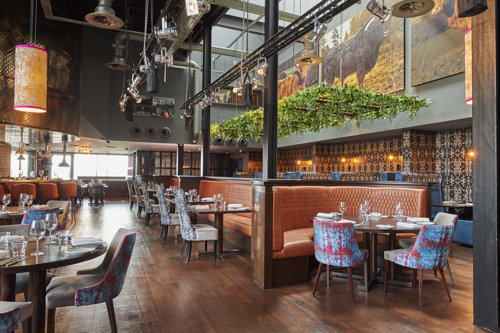
Chez Mal Brasserie and Bar draws in Aberdeen locals as well as hotel guests, which is the most reliable indicator that a hotel restaurant is doing something right. The cooking is bold and confident, the wine list is well considered, and the bar offers a good reason to linger after dinner rather than heading elsewhere. It works as a pre-exploration dinner, a long relaxed evening, or an anchor to return to after a day out at Dunnottar or along the coast. The broader Malmaison food and drink offer reflects the same approach across the group, and Club Mal membership adds further value for repeat visitors.
How to slow down in Aberdeen
Aberdeen is not a city most people associate with a spa break or a genuinely slow long weekend. That is part of what makes it an interesting choice for exactly that.
The Malmaison Spa
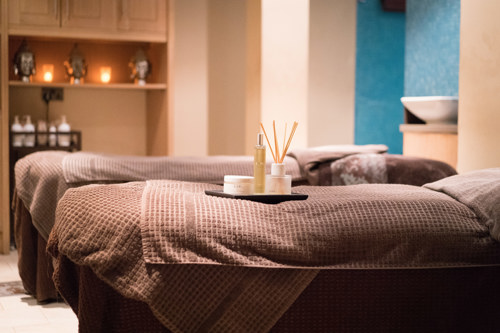
The spa at Malmaison Aberdeen provides the kind of unhurried afternoon that city breaks rarely make room for. Treatments, facilities, and a pace that sits in deliberate contrast to a day spent walking the coastline or driving out to Dunnottar. A long weekend that combines the unexpected energy of Aberdeen with proper downtime is a more satisfying combination than it might sound on paper, and the spa makes it straightforward to build that balance into the trip.
Whisky, walking, and taking it slow
Aberdeen suits a slower register of city break particularly well. A long coastal walk in the morning, the Winter Gardens in the afternoon, a distillery visit worked into a Royal Deeside day trip, evenings at Chez Mal. The city does not demand a packed itinerary. It rewards the visitor who gives it time, notices the architecture, finds the quieter stretches of the beach, and lets the days unfold at their own pace.
This is the kind of break Malmaison Aberdeen suits naturally: adults and couples who want something with genuine character, a base that holds up as a destination in itself, and a city that has considerably more to offer than most people arrive expecting.
Planning your Aberdeen city break
Aberdeen is well connected by air, rail, and road, and the city repays those who give it at least two nights rather than trying to cover it in a day. Here is what to know before you book.
Getting to Aberdeen
Aberdeen International Airport handles direct flights from London, Amsterdam, and a range of other European hubs, making it straightforward to reach from most of the UK and from the Continent. By rail, Aberdeen sits on the main east coast line: Edinburgh to Aberdeen takes around two and a half hours, and London to Aberdeen around seven hours, with a change typically required. By car, the A90 connects Aberdeen to Dundee and Edinburgh; the city centre has better parking options than many UK cities of comparable size, which takes some of the friction out of driving in.
Staying in Aberdeen with Malmaison
Malmaison Aberdeen is a design-led hotel in the heart of the city with individually designed rooms, Chez Mal Brasserie, a spa, and meeting and events facilities for those combining a city visit with work. The rooms and suites are bold and comfortable, and the central location makes it easy to explore the city on foot before heading further afield.
The case for an overnight stay rather than a day trip is straightforward. Aberdeen's best qualities emerge slowly: the architecture rewards time, the food and drink scene requires an evening, and castle country deserves a full day. Two nights is the ideal minimum, allowing for the city itself plus a day out into the surrounding landscape. Check current offers at Malmaison Aberdeen and book your stay to discover a city that has far more to offer than most people arrive expecting.
Things to do in Aberdeen FAQs
What is Aberdeen known for?
Aberdeen is known as the Granite City for its distinctive silver-grey granite architecture, and as the hub of Scotland's North Sea oil industry, which made it one of Europe's wealthiest cities from the 1970s onwards. It is also the gateway to Royal Deeside and Aberdeenshire's extraordinary concentration of castles, and sits within easy reach of some of Scotland's finest whisky country and coastal scenery.
Is Aberdeen worth visiting for a city break?
Aberdeen is one of Scotland's most underrated city break destinations. Its dramatic granite architecture, free world-class museums, long sandy beach, and proximity to Dunnottar Castle and Royal Deeside make it a genuinely rewarding destination. It also tends to be quieter and better value than Edinburgh or Glasgow, making it a strong choice for those wanting something a little different.
What unexpected things can you do in Aberdeen?
Beyond the expected, Aberdeen offers a long sandy beach within walking distance of the city centre, one of Europe's largest indoor gardens in Duthie Park, a thriving independent food and drink scene, and some of Scotland's most dramatic castle scenery within an hour's drive. The city's architectural identity is also genuinely distinctive and rewards a slower, more attentive kind of visit.
What are the best day trips from Aberdeen?
Dunnottar Castle, perched dramatically on a sea stack south of Stonehaven, is the standout day trip from Aberdeen. Crathes Castle, Craigievar Castle, and the wider Aberdeenshire Castle Trail are all within easy reach, as is Royal Deeside and Balmoral. For a longer day, the Cairngorms National Park is accessible via the Dee valley road.
Where should I stay in Aberdeen for a city break?
Malmaison Aberdeen is one of the city's most characterful places to stay, with design-led rooms, Chez Mal Brasserie, a spa, and a central location that makes it easy to explore the city on foot. It suits adults and couples looking for a base with genuine personality, and its spa offering makes it a particularly good choice for a longer, more relaxed weekend break.