
Things to Do in Glasgow for a Memorable City Break

Glasgow has a habit of surprising people. First-time visitors often arrive with modest expectations and leave genuinely impressed by what the city offers: a cultural scene that punches well above its weight, a food and drink landscape that has transformed over the past decade, architecture that ranges from grand Victorian civic buildings to striking contemporary design, and a warmth from the people that is not a cliché so much as a consistent observation from almost everyone who spends time there.
This is a city with real energy. The live music reputation is legendary, the museums are world-class and free, the neighbourhoods are distinct and walkable, and the sense that something good is always happening just around the corner is part of what makes Glasgow one of the UK's most rewarding city breaks. It is also, for its quality, consistently better value than comparable destinations.
Malmaison Glasgow sits at the heart of all of it: a design-led hotel in a converted church building, centrally located and well placed for exploring everything the city has to offer. The following covers culture and museums, food and drink, music and nightlife, shopping, green spaces, and practical tips for making the most of a stay.
Culture and the arts in Glasgow
Glasgow's cultural offering is one of the strongest of any UK city outside London, and unlike many cities at that level, a substantial proportion of it is entirely free. The museums alone justify the trip.
The city's world-class free museums
Kelvingrove Art Gallery and Museum is the place to start. An extraordinary Victorian sandstone building in the West End, it houses one of the most eclectic and genuinely impressive permanent collections in the country, from Salvador Dalí's Christ of Saint John of the Cross to a Second World War Spitfire suspended from the ceiling. It is the kind of museum where you arrive planning an hour and leave two hours later feeling you have barely touched it.
The Riverside Museum sits on the north bank of the Clyde in a Zaha Hadid-designed building whose zigzag roofline is itself worth the visit. The transport and technology collection inside is particularly strong, and the museum appeals equally to design enthusiasts, families, and anyone with an interest in Glasgow's industrial heritage.
The Burrell Collection at Pollok Country Park reopened after a major renovation and is now arguably the finest thing of its kind in Scotland: a remarkable assembly of art and antiquities set within one of Glasgow's most beautiful green spaces, and still free to enter.
Galleries and contemporary art
The Gallery of Modern Art, known as GoMA, occupies a striking neoclassical building in the heart of the city centre and offers a strong programme of contemporary and community-focused exhibitions, all free. It is the kind of gallery that feels genuinely embedded in the city rather than aspirationally detached from it.
Glasgow's architectural heritage adds another cultural thread to follow. The legacy of Charles Rennie Mackintosh runs through the city in various forms: the Lighthouse on Mitchell Lane, the restored Willow Tea Rooms on Sauchiehall Street, and Hill House in nearby Helensburgh for those willing to make a short trip out of the city.
At street level, Glasgow takes public art seriously. Murals and installations appear across the city centre, many of them commissioned as part of ongoing cultural programmes, and the quality is consistently high. A walk through the Merchant City or along certain stretches of the city centre rewards attention.
Food, drink, and dining in Glasgow
Glasgow's food scene is one of the city's better-kept secrets, though it is becoming less of one. The combination of serious independent restaurants, a strong neighbourhood dining culture, and a growing reputation for cooking that is confident without being precious has put the city firmly on the map.
Glasgow's food scene
The Merchant City is the natural focal point for a dining-out evening in Glasgow. A historic quarter of converted warehouses and stone-fronted buildings in the east of the city centre, it is now home to some of Glasgow's best restaurants, bars, and late-night spaces. The combination of architecture and atmosphere makes it a particularly strong choice for an evening out.
The West End offers a different register. Byres Road and the streets around it have a more neighbourhood feel: independent cafés, wine bars, and restaurants that reflect the area's mix of academics, creatives, and long-term locals. It rewards a slower, more exploratory approach than the city centre and is particularly good for a late breakfast or long lunch before an afternoon at Kelvingrove.
Dining at Malmaison Glasgow
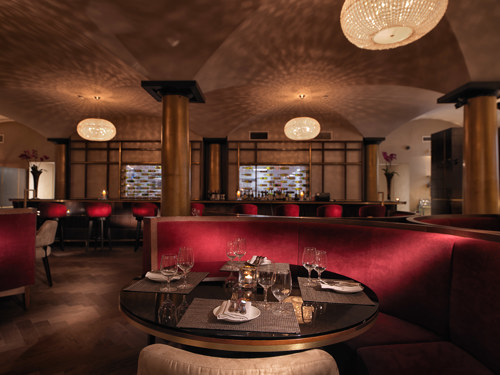
Chez Mal Brasserie and Bar is a destination in its own right. The cooking is bold and confident, the wine and cocktail offer is well considered, and the setting earns its place among the better dining rooms in the city. It works equally well as a pre-theatre dinner, a relaxed long evening, or the kind of meal that becomes the event itself.
For those wanting to build a stay around food and dining, Malmaison's dinner packages offer a good way to do it properly without the planning overhead. Club Mal membership also gives members access to benefits across stays and dining, and is worth looking at if you plan to visit more than once. The full food and drink offer across the group reflects a genuine commitment to the kitchen rather than hotel catering as an afterthought.
Music, nightlife, and live entertainment
Glasgow's claim to being one of the best live music cities in Europe is not marketing. It is a view held by artists, promoters, and audiences alike, and it is rooted in something specific about how the city engages with live performance.
Glasgow's live music scene
The venues are part of it. The Barrowland Ballroom is one of the most celebrated mid-size venues in the world, with a sprung dance floor, a fierce acoustic, and an audience reputation that draws artists back repeatedly. The O2 Academy handles larger touring shows. King Tut's Wah Wah Hut has been a launchpad for new acts for decades, and the SEC Armadillo covers the arena end of the market. Between them, they ensure that on almost any given night in Glasgow, something worth seeing is on.
Two annual events define the calendar. Celtic Connections in January is one of the world's leading folk and roots music festivals, bringing artists from across Scotland, Ireland, and beyond to venues across the city. TRNSMT in summer takes over Glasgow Green for a three-day festival anchored around rock and pop headline acts. Both are worth planning a trip around.
Bars, comedy, and theatre
The bar scene is genuinely varied. The Merchant City offers a concentration of bars ranging from historic pubs to cocktail-led spaces. Finnieston, along Argyle Street to the west of the city centre, has become the focus of Glasgow's craft beer and independent bar culture over the past decade. Between them, most tastes are well covered.
For theatre, the Citizens Theatre in the Gorbals and the Theatre Royal on Hope Street are the city's two main producing venues: the Citizens is known for ambitious, often politically charged drama; the Theatre Royal covers opera and large-scale musical theatre as home to Scottish Opera and Scottish Ballet. Comedy is well served by The Stand on Woodlands Road, which runs a full programme of club nights and visiting acts throughout the year.
Shopping and the city centre
Glasgow's city centre shopping offer is among the strongest outside London, combining major retail in a compact, walkable core with independent options that give the city genuine character.
Buchanan Street and the Style Mile
Buchanan Street, Sauchiehall Street, and Argyle Street together make up what is commonly called the Style Mile: a concentration of retail that covers everything from high street staples to mid-market and premium brands within easy walking distance. Buchanan Galleries provides a covered option for a range of mid-market retail, while Princes Square, with its distinctive Victorian ironwork interior, offers a more elevated shopping environment.
For something entirely different, the Barras market in the East End is worth a Saturday morning. A weekend street market with a long history and a distinctly Glaswegian character, it covers vintage clothing, antiques, records, and the kind of browsing that cannot be replicated in a shopping centre.
The West End and independent retail
Byres Road and the streets around it are where Glasgow's independent retail culture is most concentrated. Bookshops, record stores, independent clothing boutiques, and homeware shops sit alongside the cafés and restaurants, making a West End afternoon a natural combination of browsing and eating. The Great Western Retail Park sits just beyond for those wanting larger-format retail outside the city centre.
Getting outside: parks and the River Clyde
Glasgow has more green space per head than almost any other UK city, and the contrast between the urban intensity of the centre and the calm of its parks is one of the city's more underappreciated qualities.
Green spaces and the Clyde
Kelvingrove Park, adjacent to the art gallery and museum of the same name, is the West End's natural gathering space: well-kept, well-used, and a particularly good place to be on a sunny afternoon. Pollok Country Park, further south, is larger and less visited, surrounding the Burrell Collection with woodland walks and open farmland. Glasgow Green, to the east of the city centre, is Glasgow's oldest public park and historically significant as well as simply a pleasant open space.
The Clyde waterfront has transformed considerably over the past two decades. The walking and cycling path from the city centre out towards the Riverside Museum passes a sequence of regenerated spaces, with the contrast between the river's industrial heritage and the contemporary cultural venues now lining its banks giving the route a particular character.
Day trips from Glasgow
Loch Lomond is less than an hour from the city centre and reachable by train from Glasgow Queen Street, making it one of the most accessible pieces of dramatic Scottish landscape in the country. For history, Stirling and its castle make a strong half-day trip. Edinburgh is under an hour by rail for those wanting to combine two cities in one visit, though Glasgow's advocates would argue that most people return preferring the one they spent more time in.
Planning your Glasgow city break
Glasgow is straightforward to reach, well set up for visitors, and rewards those who give it more than a single day. The following covers the practical questions worth thinking through before you book.
Getting to Glasgow
Glasgow is well connected. From London, the fastest rail services from Euston to Glasgow Central take around four and a half hours, and the journey is considerably less stressful than flying once airport logistics are factored in. Edinburgh to Glasgow is under an hour by rail. For those flying, Glasgow International handles the majority of major routes, with Glasgow Prestwick serving budget carriers.
Staying in Glasgow with Malmaison
Malmaison Glasgow is one of the city's most distinctive places to stay, housed in a converted church building with individually designed rooms that give the hotel a character most city-centre options cannot match. Chez Mal Brasserie sits at the heart of the hotel, the rooms and suites are bold and comfortable, and the central location puts the Merchant City, the main shopping streets, and the city's key cultural venues within easy walking distance.
The case for staying rather than visiting on a day trip is straightforward: Glasgow's atmosphere shifts noticeably in the evening. The food scene, the live music venues, and the bar culture all require time to do properly, and the city rewards those who give it a night or two rather than trying to cover it in a single visit. Two to three nights is ideal; long enough to cover the museums, explore a neighbourhood or two, and still have time for a day trip if the mood takes you.
Explore current offers at Malmaison Glasgow and book your stay to discover one of the UK's most vibrant and genuinely rewarding city break destinations. The hotel also offers meeting and events spaces for those combining a city visit with a work occasion.
Glasgow City Break FAQs
What is Glasgow famous for?
Glasgow is Scotland's largest city and one of the UK's most culturally rich destinations. It is known for its world-class free museums, including Kelvingrove and the Riverside Museum, its exceptional live music scene, its architectural legacy (including the work of Charles Rennie Mackintosh), and a food and drink scene that has grown considerably in reputation over the past decade. The city also has a strong identity and a warmth that many visitors find unexpectedly striking.
Is Glasgow worth visiting for a city break?
Glasgow is one of the UK's most rewarding city breaks and is regularly underestimated by those who have not visited. The combination of free world-class museums, a genuinely exciting food and drink scene, outstanding live music, and a walkable city centre makes it a strong choice for couples, friends, and culture-led travellers. It also tends to be better value than many comparable UK cities.
What are the best free things to do in Glasgow?
Glasgow has an exceptional offering of free attractions. The Kelvingrove Art Gallery and Museum, the Riverside Museum, the Burrell Collection, and the Gallery of Modern Art are all free to enter and collectively represent some of the finest public collections in the UK. The city's parks, including Kelvingrove Park and Pollok Country Park, are also free, as is walking the Clyde waterfront and exploring the Merchant City's architecture and street art.
How many days do you need in Glasgow?
Two to three days is ideal for a Glasgow city break. Two days allows time to cover the major museums, explore the city centre and the West End, and enjoy the food and drink scene. A third day opens up day trips to Loch Lomond, Stirling, or Edinburgh, and allows a more relaxed pace overall.
Where should I stay in Glasgow for a city break?
Malmaison Glasgow is one of the city's most distinctive places to stay, housed in a converted church building with individually designed rooms and a celebrated Chez Mal Brasserie. Its central location puts the Merchant City, the main shopping streets, and the city's key cultural venues within easy walking distance, making it a strong choice for anyone wanting to get the most out of a Glasgow city break.