
A Modern Take on Getting Married in London
Hotel Wedding Venues with Character

London weddings have changed. The formal sit-down reception in a grand venue with a rigid timetable and a room full of people you feel obliged to invite is no longer the default. Couples planning a wedding in the city today are increasingly asking a different set of questions: What do we actually want the day to feel like? What matters most to our guests? How do we create something that feels genuinely like us?
The tension in London wedding planning is real. The city offers an enormous number of venues, yet many of them feel interchangeable despite the price tag. Large event spaces can strip out the atmosphere that makes a celebration feel personal. And with London wedding costs already significant, paying a premium for somewhere that could be anywhere starts to feel like the wrong trade-off.
Boutique hotel venues have emerged as a compelling response to that tension. They bring genuine character without requiring couples to construct it from scratch. A single, hospitality-trained team handles everything from ceremony logistics to the morning-after breakfast. And the food, drink, and service tend to reflect a genuine kitchen and bar rather than scale catering.
Malmaison London is a strong example of this kind of venue: design-led intersiors, a central location, and a hospitality culture built around food, drink, and making people feel well looked after. The following covers what modern London couples are looking for, why hotel venues work, what Malmaison offers, and the practical planning considerations worth thinking through early.
What modern London couples actually want
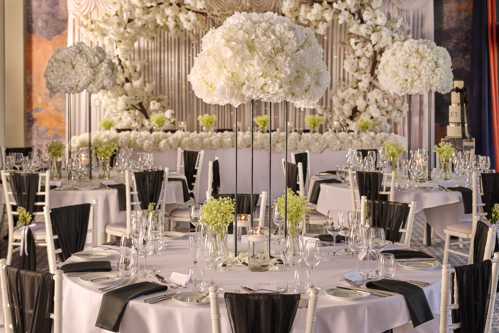
Venue choice has always mattered, but it has never mattered quite as much as it does now. The shift in what couples want from a London wedding has made the decision more loaded and, for many, more interesting.
The shift away from traditional wedding formats
The formal, structured wedding has not disappeared, but it is no longer the assumed default. Couples are increasingly drawn to celebrations that feel more like a great evening out with everyone they love than a production to be managed. Smaller guest lists, longer tables, better food, and more real time spent with guests rather than moving through a schedule have become more important than scale or spectacle.
The city wedding is a particular expression of this. Couples who live and work in London often want a wedding that feels like an extension of their life there rather than a departure from it. A celebration in a neighbourhood they know, in a venue with the kind of atmosphere they already seek out, with food and drinks that match how they actually eat and drink. The framing is less about occasion and more about experience.
Why the venue sets the tone
The venue is the single most powerful signal a couple sends about the kind of wedding they want. A grand ballroom communicates one set of expectations. A design-led boutique hotel communicates something quite different: that the couple values atmosphere, character, and a certain quality of experience over traditional formality.
Increasingly, couples want their venue to feel like somewhere they would actually choose to spend an evening rather than somewhere hired specifically for the occasion. That distinction is harder to achieve than it sounds. Generic event spaces are built around capacity and logistics; the atmosphere has to be imported. Boutique hotel venues have the advantage that the atmosphere already exists and does not need to be constructed. The rooms, the bar, the lighting, the energy are all there. The wedding slots into a space that already knows what it is doing.
Why hotel wedding venues work in London
The practical and experiential case for hotel venues is strong, and it is particularly strong in a city like London where guest logistics can quickly become a significant source of stress.
Everything in one place
The single most practical advantage of a hotel wedding venue is the consolidation. Ceremony, reception, dining, accommodation, and the morning after all happen under one roof. In a city the size of London, where coordinating guests across different postcodes involves tube connections, taxis, and the reliable chaos of a wedding-day schedule running late, this matters considerably.
For guests travelling from outside London, the value is even more direct. Arriving at the hotel means not needing to think about transport again for the rest of the day or night. They check in, get ready, walk downstairs to the ceremony, and stay where they are. The wedding becomes the whole experience, not a series of logistical moves between separate venues.
A team that knows hospitality
Hotel venues and dedicated event spaces operate from different starting points. A hotel's core business is making people feel well looked after, and that culture runs through everything, including how weddings are approached. The difference between a venue coordinator managing a space and a hospitality team that genuinely cares about the food, the service, and the overall experience tends to show.
This is particularly relevant for couples who care about the quality of the meal and the drinks. Hotel venues with strong restaurant credentials treat wedding catering as a direct extension of their everyday kitchen, not a separate, scaled-down operation. The kitchen is already in the habit of cooking well. The bar team already knows how to run a good evening. Those things are not being improvised for the occasion.
What Malmaison London offers for weddings
Malmaison London sits in Charterhouse Square in Clerkenwell, one of the city's most characterful neighbourhoods and well placed for guests coming from across London or arriving by train. The setting is not incidental to the wedding experience. It is part of it.
The setting and spaces
Malmaison London's interiors are design-led and genuinely distinctive, with bold use of colour, texture, and lighting that creates an atmosphere most dedicated event spaces would spend considerable budget trying to replicate. The spaces feel lived-in and specific rather than neutral and interchangeable.
The meetings and events spaces accommodate different wedding sizes, from intimate ceremonies for smaller guest lists through to fuller celebrations, with a team experienced in shaping the day around the couple rather than fitting couples into a fixed format. Flexibility is built into how the venue operates.
Food, drink, and Chez Mal
Chez Mal Brasserie and Bar is a genuine differentiator. The cooking is bold and confident, the drinks offering is well considered, and the brasserie's everyday reputation means the kitchen is not being stretched into unfamiliar territory for a wedding. It is already doing what it does well, and couples can work with the team on menus that reflect their own tastes rather than choosing from a standard wedding package.
The bar operates as a natural extension of the celebration. It is the kind of space where the evening continues comfortably rather than everyone dispersing once the formal parts are done. Good lighting, a proper drinks list, and a relaxed atmosphere tend to keep people together for longer, which is usually exactly what couples want.
Staying the night
Malmaison London's rooms and suites are individually designed, which means no two guests have an identical experience. The rooms are bold and comfortable, and waking up in the same building as your wedding guests is one of the quieter pleasures of choosing a hotel venue.
The morning after is worth thinking about. Breakfast together, no need to rush anywhere, the wedding extending naturally into the next day rather than ending abruptly at the venue door. Club Mal membership also offers guests access to additional benefits during their stay, which adds a considered layer of value for those making a weekend of it.
Planning a boutique hotel wedding in London
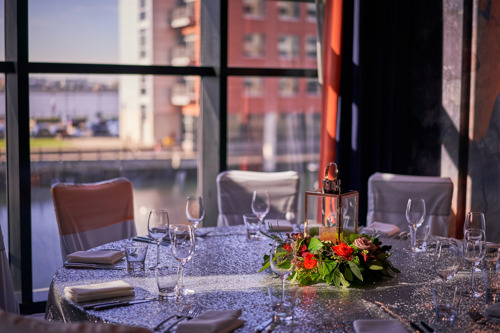
The logistics of London wedding planning can be genuinely overwhelming. Knowing what you want before you start narrowing down venues makes the process considerably more manageable.
Questions worth asking early
Before venue hunting begins in earnest, it is worth sitting with a few questions. How many guests do you actually want there? How important is the quality of the food? Do you want everyone staying in the same place? How formal, or how relaxed, should the day feel? These priorities tend to narrow the field quickly and remove a lot of the noise from the search.
One useful habit: visit shortlisted venues on a quiet evening as well as during a formal show-round. An empty event space in daytime rarely represents the atmosphere it creates once it is running. Experiencing the bar, the restaurant, and the general feel of the hotel at its own pace gives a much more accurate read than a daytime walkthrough with a brochure.
Timing, budgets, and what to expect
London wedding venues at the boutique end tend to book well in advance. For weekend dates between May and September, 12 to 18 months ahead is a reasonable planning horizon. Midweek and winter dates offer more availability, more flexibility on personalisation, and in some cases, a more intimate feel.
On cost, boutique hotel weddings in London are not necessarily cheaper than other options. What they tend to offer is an all-in structure with fewer hidden costs and less need for external coordination. Floristry, entertainment, and photography aside, much of what makes the day work is already in place. Early conversations with the venue team about what can be tailored, from menus and room configurations to timings and specific requests, are worth having before commitments are made.
If you are planning a London wedding and want somewhere with genuine character and a hospitality team that takes the food as seriously as the occasion, start the conversation with Malmaison London.
London Wedding FAQs
Are hotel wedding venues a good choice in London?
Hotel wedding venues work particularly well in London for couples who want everything in one place: ceremony, reception, dining, and accommodation without the logistical complexity of coordinating across a large city. Boutique hotel venues add an extra dimension, offering a distinctive atmosphere, a hospitality-led approach, and a level of flexibility that larger, more generic venues often cannot match.
What makes a boutique hotel wedding venue different?
A boutique hotel wedding venue offers a level of character and personalisation that generic event spaces rarely provide. The interiors are designed to create atmosphere rather than simply accommodate numbers, the food and drink tends to reflect a genuine kitchen rather than mass catering, and the team's core expertise is hospitality rather than event management. For couples who care about the experience their guests have, this distinction tends to matter.
How many guests can you have at a hotel wedding in London?
This varies considerably between venues. Boutique hotel venues in London typically suit smaller to medium-sized guest lists, generally between 20 and 120 guests depending on the space. The advantage of this scale is that the day feels genuinely personal rather than managed, and the hospitality team can give the level of attention that larger venues simply cannot.
Do you need a wedding licence for a hotel venue in London?
Most established hotel wedding venues in London hold a civil ceremonies licence, which allows legally binding ceremonies to take place on site. It is worth confirming this at the enquiry stage, along with any restrictions on timing or format. Couples wishing to have a religious ceremony would need to arrange this separately and use the hotel for the reception.
How far in advance should you book a London wedding venue?
For popular weekend dates between May and September, booking 12 to 18 months in advance is advisable for most London wedding venues. Boutique hotels with a limited number of spaces tend to fill quickly once a date becomes available. Midweek and winter dates offer more flexibility and often better availability, and some couples find that the reduced competition for those dates also opens up more room for personalisation.